
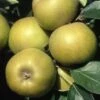
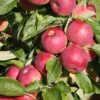

Apple ‘Little Pax’
Original price was: £149.99.£98.99Current price is: £98.99.
- Service with a smile, always online.
- Safe Transactions, Always
- Discover a world of quality products.
- Excellent customer service online in a timely manner

Plant description
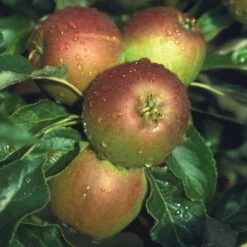
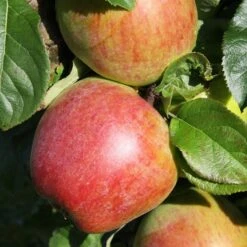
Originally gifted to St Cecilia’s Abbey on the Isle of Wight this late-season English dessert apple has only recently been grown for the retail market. It is a fab apple though. It flowers profusely in spring and goes on to produce lots of sweet and aromatic fruits that ripen in October and store for months in a cold store or fridge.
Garden care: Keep the base of the tree weed free, fertilise at the beginning of each year and water regularly during hot, dry spells. Remove damaged or crossing branches during the dormant season.
Pollination Information: This apple belongs to pollination group C, so you will need to plant one other different variety of apple to guarantee cross pollination, and a subsequent bumper crop. Ideally this should come from the same pollination group, however it is possible to use one from group B or D as well.
Position: full sunSoil: fertile, well-drained soilRate of growth: averageUltimate size on MM106 rootstock: 5.5 x 5.5m (18 x 18ft)Flowering period: April and MayHardiness: fully hardyPollination Group: C – flowering mid to late season
Originally gifted to St Cecilia’s Abbey on the Isle of Wight this late-season English dessert apple has only recently been grown for the retail market. It is a fab apple though. It flowers profusely in spring and goes on to produce lots of sweet and aromatic fruits that ripen in October and store for months in a cold store or fridge.
Garden care: Keep the base of the tree weed free, fertilise at the beginning of each year and water regularly during hot, dry spells. Remove damaged or crossing branches during the dormant season.
Pollination Information: This apple belongs to pollination group C, so you will need to plant one other different variety of apple to guarantee cross pollination, and a subsequent bumper crop. Ideally this should come from the same pollination group, however it is possible to use one from group B or D as well.
Be the first to review “Apple ‘Little Pax’”
Related products

Reviews
There are no reviews yet.